
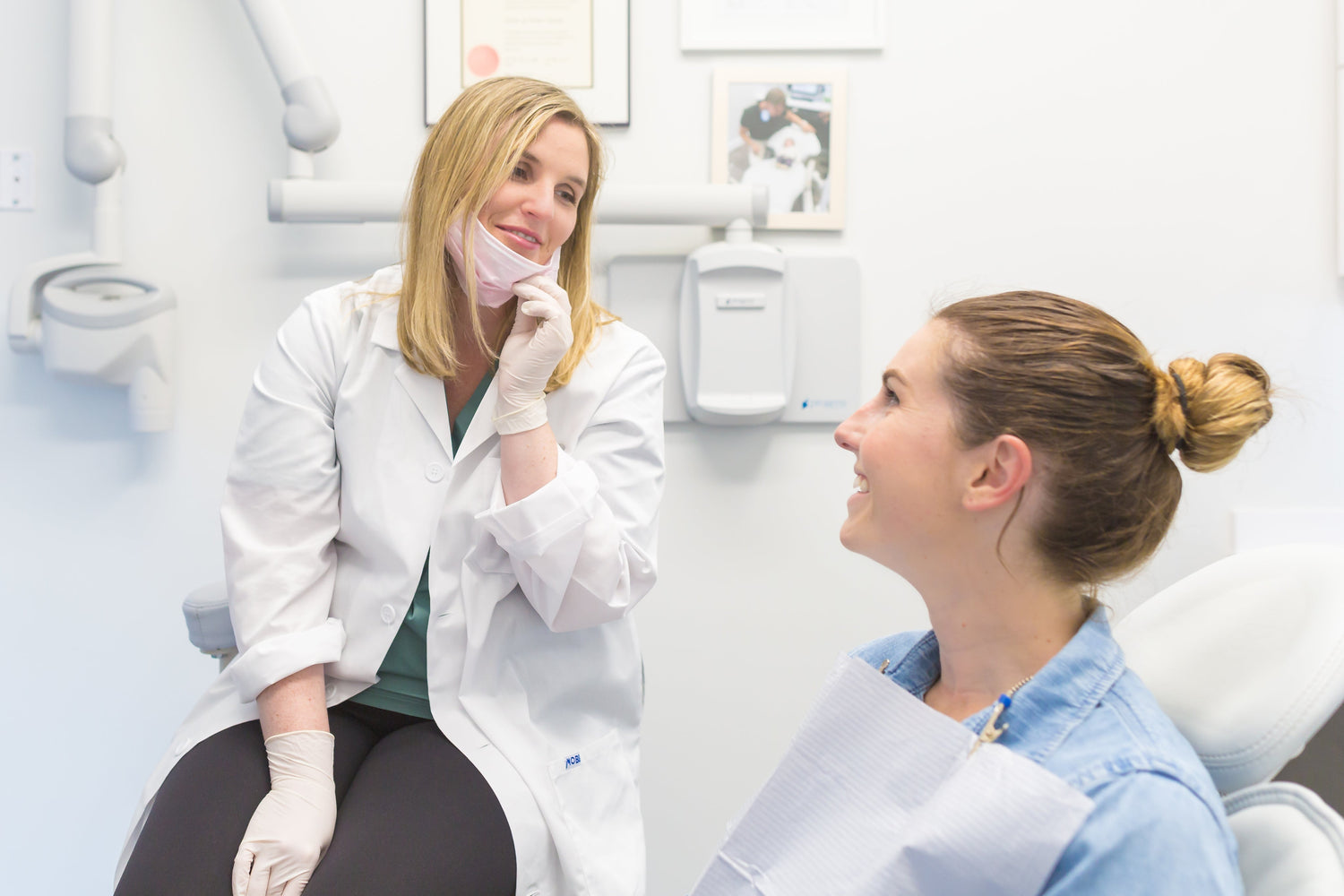
For small clinics, the exam room is where trust happens. The documentation burden should not pull clinicians away from patients, or follow them home at night.
TransAI Note helps small clinics and specialty practices turn patient conversations into structured SOAP note drafts that clinicians can review, edit, and copy into their existing EHR workflow.
Quick Answer: What Is TransAI Note for Small Clinics?
TransAI Note is a dedicated on-device AI documentation device for privacy-sensitive clinical workflows. For small clinics and specialty practices, it is designed to help capture patient conversations and generate structured clinical note drafts, including SOAP-style notes, without relying on generic cloud meeting bots for core note generation.
Patient conversation → transcript draft → SOAP / Clinical Note draft → clinician review/edit → copy into EHR
The workflow is review-first. TransAI Note helps create a structured draft, but the clinician remains responsible for reviewing, editing, and approving the final note.
Why Clinic Documentation Creates Provider Burnout
Small clinics and specialty practices run on provider time. Every extra minute spent clicking through an EHR, reconstructing a visit from memory, or finishing charts after clinic hours affects patient access, provider energy, and clinic capacity.
For owner doctors, primary care physicians, pediatricians, ENT specialists, orthopedic providers, dermatologists, OB-GYN teams, nurse practitioners, physician assistants, medical assistants, and clinic nurses, the daily pain often looks like this:
- Patient conversations are rich, but the note must be rebuilt later
- EHR typing interrupts eye contact and patient trust
- SOAP notes are finished after visits, during lunch, or after clinic hours
- Medical assistant handoffs may miss details
- Multilingual visits are harder to summarize accurately
- Cloud recorders may feel uncomfortable in sensitive exam room conversations
The U.S. Surgeon General's health worker burnout advisory identifies administrative burden as one factor contributing to health worker burnout. For small clinics, documentation burden is not abstract. It shows up as pajama time, delayed notes, and less attention available for patients.
Why Privacy Matters in the Exam Room
The exam room is different from a business meeting. Patients may discuss symptoms, medications, diagnoses, family history, reproductive health, mental health, financial barriers, or other sensitive information. A generic cloud meeting bot is not always the right fit for that environment.
That is why small clinics often ask practical questions before adopting AI documentation tools:
- Where does the patient conversation go?
- Is the tool a personal phone app or a dedicated clinical device?
- Can clinicians review and edit before the note enters the EHR?
- Does the workflow require deep EHR integration on day one?
- How does the clinic handle consent, retention, and internal policy?
For general health information privacy context, see the HHS HIPAA Privacy Rule overview. TransAI Note is designed for privacy-sensitive workflows, but formal compliance and deployment requirements should be reviewed by each clinic's legal, IT, and compliance teams.
Why Existing Tools Fall Short
Manual EHR Entry Breaks the Conversation
EHR systems are necessary, but constant clicking and typing can pull attention away from the patient. In small clinics, where provider time is limited, every extra documentation step matters.
Phone Recorders Feel Too Personal
A personal phone may be convenient, but it is not always appropriate for exam room documentation. Patients and staff may not know whether it is being used for clinical documentation or personal activity.
Cloud AI Scribes May Raise Privacy Concerns
Cloud AI scribes can be useful in some settings, but not every clinic is ready to send patient conversations to a cloud-based workflow. Practices with privacy-sensitive patients or conservative IT policies may need a more local-first approach.
Deep EHR Integration Can Take Time
Small clinics often need a tool that can start quickly. A review, edit, and copy workflow can be easier to pilot than a long integration project.
How TransAI Note Fits the Patient Visit Workflow
TransAI Note fits between the patient conversation and final EHR entry. It does not require the clinic to replace its EHR before seeing value.
Recommended workflow:
- The patient enters the exam room.
- The physician, NP, PA, or care team conducts the visit.
- TransAI Note captures the relevant conversation according to clinic policy and consent requirements.
- The device creates a transcript draft and SOAP / Clinical Note draft.
- When auto-delete is enabled by the clinic, the source audio file is deleted after transcription is completed, helping reduce retained audio while preserving the review-first documentation workflow.
- The clinician reviews, edits, and confirms the note.
- The final text is copied into the existing EHR or documentation system.
This is designed to support the clinician, not replace them. The clinical judgment, final note, orders, coding, and care decisions remain with the provider.
What a Clinic SOAP Note Can Include
A SOAP note draft for a small clinic or specialty practice may include:
- Chief Complaint: the main reason for the visit
- Subjective: patient-reported symptoms, history, concerns, and context
- Objective: observed findings, vitals, exam notes, or relevant measurements
- Assessment: clinician-reviewed impression or problem summary
- Plan: treatment plan, next steps, orders, referrals, or patient instructions
- Follow-up: return visit timing, monitoring instructions, or care coordination items
- Possible Coding / Billing Cues: optional cues for clinician or billing team review, not automated billing advice
- EHR-Ready Summary: concise draft text for review and copy into the existing system
Sample SOAP Note Draft
Example only. Final note format should follow your clinic's documentation policy and clinician review.
| Section | Example Draft Content |
|---|---|
| Chief Complaint | Patient presents with persistent cough and mild throat irritation for several days. |
| Subjective | Patient reports cough is worse at night. Denies shortness of breath during the conversation. Asked whether symptoms may affect upcoming travel. |
| Objective | Clinician to add vitals, physical exam findings, and any test results from the visit. |
| Assessment | Draft problem summary for clinician review. Final assessment must be confirmed by the provider. |
| Plan | Discussed symptom monitoring, return precautions, and follow-up if symptoms worsen or persist. |
| Follow-up | Patient should follow clinic instructions and return if symptoms change, worsen, or do not improve. |
For Clinicians
For physicians, NPs, PAs, and specialists, the value is not just faster typing. It is protecting the quality of the patient conversation.
TransAI Note can help clinicians:
- Reduce pajama time and after-hours charting
- Capture visit details closer to the conversation
- Keep more attention on the patient during the visit
- Reduce reliance on memory after a full clinic schedule
- Create a structured note draft before EHR entry
- Review and edit before anything becomes final
For Practice Managers and Clinic Leaders
For owner doctors, practice managers, clinic administrators, medical directors, and operations managers, the value is operational.
A structured SOAP note workflow can support:
- Higher provider capacity: less time lost to after-visit documentation
- More consistent notes: clinicians start from a structured draft
- Lower workflow disruption: no need to replace the EHR to begin a pilot
- Faster deployment: start with one provider, one specialty, or one exam room workflow
- Better MA-to-provider handoff: visit context is easier to structure and review
- Privacy-forward evaluation: dedicated hardware can feel more appropriate than phones or cloud bots
Why a Dedicated On-Device AI Device Matters
TransAI Note is not a generic recorder, not an app-only AI notetaker, and not a cloud meeting bot built for office calls. It is a dedicated AI documentation device for professional, privacy-sensitive workflows.
For small clinics, that means:
- Dedicated hardware: a professional device for exam room documentation
- On-device AI: core note generation is designed around local processing
- Review-first workflow: clinicians review and edit before EHR entry
- EHR-ready drafts: structured text that can be copied into existing systems
- Flexible pilot path: start with one provider, one specialty, or one clinic team
Patient conversations in. Structured SOAP note drafts out. Reviewed by clinicians before they enter the EHR.
Who Is the Best Fit?
TransAI Note is especially relevant for small clinics and specialty practices where:
- The clinic has 3-20 providers
- Providers experience after-hours charting or documentation fatigue
- The clinic already uses an EHR but wants a faster note draft workflow
- Patient conversations are sensitive and cloud recording is a concern
- Medical assistants and clinicians need cleaner handoffs
- The practice wants to pilot before committing to a larger deployment
Frequently Asked Questions
Is TransAI Note an EHR?
No. TransAI Note is not an EHR replacement. The recommended early workflow is to generate a structured draft, review and edit it, then copy the final text into your existing EHR or documentation system.
Does TransAI Note automatically diagnose patients?
No. TransAI Note does not diagnose patients, make treatment decisions, replace clinician judgment, or remove the need for professional review.
Can it generate SOAP note drafts?
Yes. TransAI Note can support SOAP-style clinical note drafting for review. The final structure should follow the clinic's documentation standards and clinician workflow.
Does it automatically sync with our EHR?
The recommended early workflow is review, edit, and copy into the existing EHR. Deeper integration depends on the customer system, deployment model, and confirmed roadmap.
Can a small clinic start with a pilot?
Yes. A practical pilot can begin with one provider, one specialty, one exam room, or one MA-provider workflow. The best pilot should define note format, review process, EHR copy workflow, consent process, privacy requirements, and success criteria.
Request a Clinic SOAP Note Demo
If your clinic is spending too much provider time on SOAP notes, EHR cleanup, and after-hours charting, TransAI Note can help you explore a more structured, privacy-forward documentation workflow.
Request a Clinic SOAP Note Demo



Hinterlasse einen Kommentar
Alle Kommentare werden vor der Veröffentlichung geprüft.
Diese Website ist durch hCaptcha geschützt und es gelten die allgemeinen Geschäftsbedingungen und Datenschutzbestimmungen von hCaptcha.